Where Compliance Actually Starts: A Hong Kong Test-and-Inspect Sequence for UK Importers

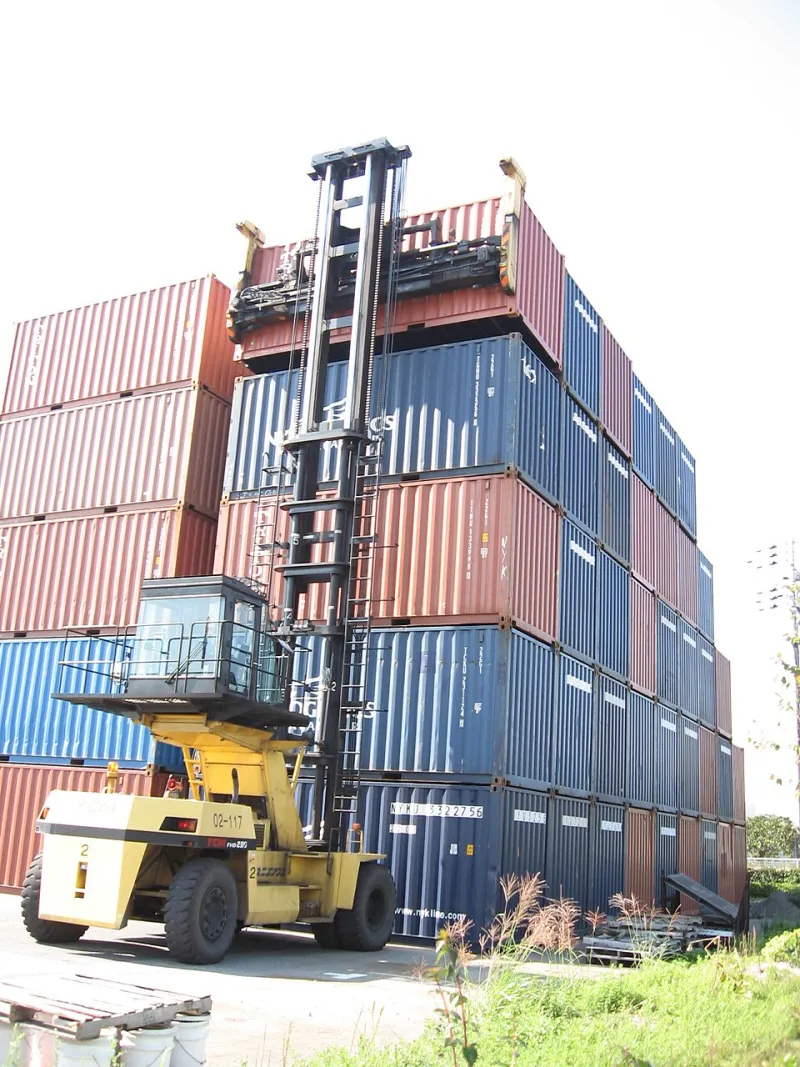
Photo: Consumer Reports, CC BY-SA 4.0, via Wikimedia Commons
Compliance is often described as a paperwork exercise. For UK importers sourcing through Asia, that description is misleading. The documents that accompany a shipment are the visible end of a process that should have begun months earlier, at the sample stage and in the testing room. When that process is deferred until goods are already on the water, the UK importer is no longer managing compliance; it is managing exceptions.
The expensive habit of starting at the port
Quarantine, rework, relabelling and failed inspections are rarely caused by a single dramatic failure. They usually emerge from a series of small gaps: a test standard that was assumed rather than confirmed, a sample that was approved without a retained reference, a technical file assembled in haste, or a packaging change made after testing. Each gap is manageable on its own. Together they create delay at the point where delay is most expensive.
For UK importers, the commercial consequence is rarely limited to the cost of a retest. A missed retail window, a delayed launch or a rejected delivery can absorb margin that was calculated on a much simpler assumption. The goods may be sound. The problem is that the evidence needed to prove they are sound was not prepared in the right order.
What the testing room is actually for
A Hong Kong testing and inspection partner is not simply a courier to a laboratory. The useful work begins before a sample is submitted. It includes mapping the product against the standards and regulations that apply in the UK, identifying which tests are relevant, checking that the sample is representative of production, and confirming that the information needed for the technical file is available.
This is particularly important where UKCA marking applies, and where CE marking continues to be recognised for the product category. The precise route depends on the product and the regulations in force in 2026, but the operating principle does not change: the importer needs evidence that is traceable, current and matched to the goods being shipped. A laboratory report that cannot be linked to the production specification is of limited value.
The Hong Kong advantage is coordination rather than shortcuts. A partner based in the region can move samples quickly, liaise with accredited laboratories, chase documentation, compare pre-production and production samples, and keep the UK buyer informed without relying on a chain of agents. That visibility matters because compliance failures are often discovered late, when the available remedies are fewer and more costly.
A sequence that holds together
A well-run sequence tends to follow a recognisable pattern.
- Scope the requirement before the purchase order is fixed. The product specification, destination market and intended retail channel should be clear. Standard mapping should happen while design and packaging are still changeable.
- Approve a golden sample and a test plan. The buyer should know which sample is being tested, which tests are being commissioned and what acceptance criteria apply. The golden sample should be retained.
- Carry out a pre-test review. A technical review can identify obvious gaps before laboratory time is booked. This is not a substitute for testing, but it reduces the risk of submitting an unsuitable sample.
- Test with an accredited laboratory and manage iterations. If a test fails, the response should be documented. A revised material or component may require a new test, not a verbal assurance.
- Assemble the technical file as the work proceeds. Waiting until shipment to collect declarations, test reports, labelling artwork and instructions creates avoidable pressure.
- Confirm certification and labelling before production is complete. Where a certification body is involved, liaison should be active rather than reactive. Artwork should be checked against the approved text.
- Inspect before shipment. Pre-shipment inspection should cover quantity, workmanship, packaging, labels and carton marks. It should also confirm that the goods match the tested configuration.
- Apply change control. Any change to material, supplier, design or packaging should trigger a review of whether retesting or updated documentation is needed.
What UK buyers should specify
The purchase order and supplier agreement should make compliance a milestone, not an afterthought. UK importers should specify who owns the test reports, where the golden sample is held, how changes are notified, what pre-shipment inspection covers and what document pack must be available before shipment release. These points are practical rather than legalistic. They give both sides a clear basis for release and reduce the scope for disagreement later.
A Hong Kong partner can administer much of this work, but it cannot absorb the importer's legal responsibilities. The UK importer remains accountable for placing compliant goods on the market. The value of the Hong Kong sequence is that it gives the importer better evidence, earlier warning and fewer surprises.
The lesson for 2026
The UK market is not becoming more forgiving of compliance gaps. Retailers and marketplaces ask more questions, and the cost of a failed goods-in inspection is felt immediately. Treating compliance as an Asian-side activity is not an abdication of responsibility. It is a recognition that the evidence is created where the product is made, sampled and packed. The importer that manages that evidence early spends less time fixing problems at the port and more time planning the next order.