The Currency You Never Negotiated: How Invoicing Terms Quietly Tax UK Importers Buying Through Hong Kong
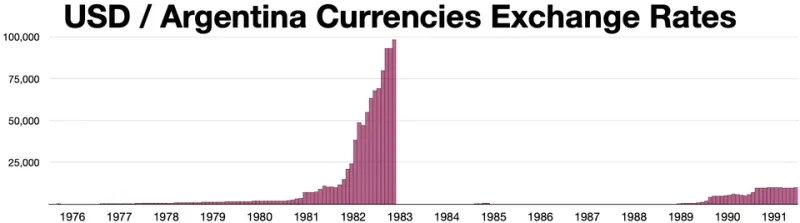
Photo: Wikideas1, CC0, via Wikimedia Commons
There is a moment in most supplier negotiations where the deal is effectively done, and it is not the moment the unit price is agreed. It is the moment the invoicing currency is settled — often by default, in an email thread where nobody consciously decided anything. For UK importers buying through Hong Kong, that unexamined decision can quietly cost between two and five per cent of contract value every year. On a £2 million annual import programme, that is a full-time salary, invisibly paid to the exchange market.
Why the Peg Changes Everything
Hong Kong's dollar has been pegged to the US dollar since 1983, trading in a narrow band around 7.8. For Hong Kong suppliers, this produces a peculiar consequence: they can invoice in HKD and bear almost no genuine currency risk, because their currency is a shadow of the American one. The risk does not disappear. It is transferred — in full — to the counterparty. That counterparty is you.
When a UK buyer accepts a USD or HKD invoice, they are taking a long position on the dollar against sterling. GBP/USD has moved more than ten per cent in single years in recent memory, in both directions. A buyer who negotiated hard for a two per cent discount, then accepted a USD invoice unhedged, may have given the whole discount back before the goods reached Southampton.
The Options Available to UK SMEs
The good news is that the hedging toolkit is no longer the preserve of treasury departments at FTSE 250 companies.
Forward contracts let you lock today's rate for a future payment date. For a predictable import schedule, this is the workhorse solution: you know precisely what the goods will cost in sterling, and your margin is protected. Most currency specialists offer forwards to SMEs with no minimum size worth mentioning.
Staged purchasing in sterling is simpler still: negotiate GBP invoicing. Some Hong Kong suppliers will accept it, particularly if the relationship is valued, though they will typically price in a cushion of one to two per cent to cover their own hedging. That cushion is worth knowing about — and worth comparing against the cost of hedging yourself.
Natural hedging — holding a USD account funded by USD revenues, or timing conversions around expected rate movements — suits larger operations but introduces judgement calls that pure forwards remove.
The Underused Lever
Here is the argument that deserves more airtime: currency terms are a negotiable commercial term, like payment days or minimum order quantities, and most UK buyers never treat them as one. Suppliers frequently prefer USD because it suits their accounting, not because it is immovable. Asking for GBP invoicing, or for a rate adjustment clause tied to a defined exchange band, costs nothing to raise and can be worth more than a final round of unit-price haggling.
A practical middle ground exists, too: agree a price review mechanism. If GBP/USD moves beyond an agreed band — say, plus or minus three per cent from contract signing — the invoice adjusts. It shares risk honestly, signals sophistication, and suppliers rarely resist it.
What We Would Argue
In our view, the hierarchy for a typical UK SME importer is straightforward. First, try for sterling invoicing, understanding the supplier's cushion may make it a rounding error rather than a win. Second, if invoicing is in USD or HKD, hedge with forwards — consistently, not opportunistically. Third, embed a currency review clause in framework agreements so the question is revisited annually rather than forgotten indefinitely.
The unit price is the number everyone argues about. The currency is the number nobody does. In the margin-thin world of importing, that inversion is exactly backwards — and the UK businesses that have noticed are quietly keeping the difference.