When the Line Goes Quiet: A UK Buyer's Week-One Playbook for a Silent Hong Kong Supplier
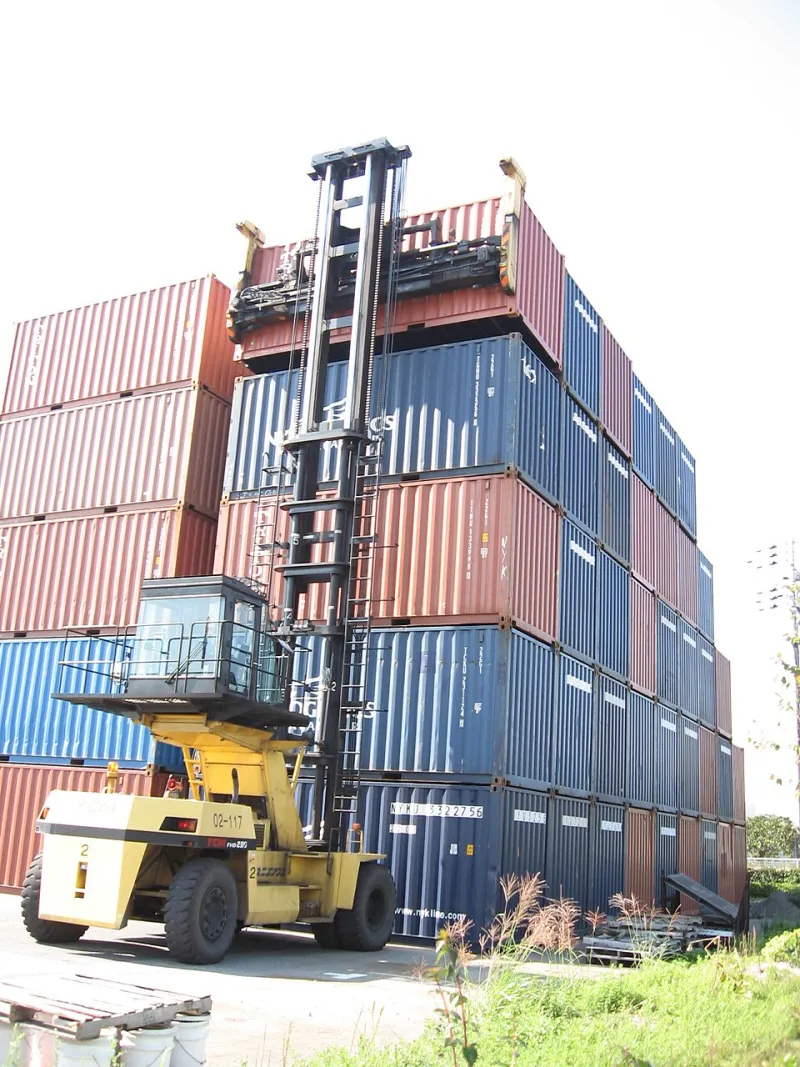
Photo: Gazouya-japan, CC BY-SA 4.0, via Wikimedia Commons
Every UK importer with an Asian supply base eventually hears it: the story of a supplier who simply stopped replying. No dispute, no notice, no explanation — just an inbox that stopped filling. For businesses buying through Hong Kong, where deals are often struck quickly and documents exchanged over WhatsApp, the moment a distributor goes dark can feel uniquely disorienting.
It doesn't have to be. The difference between a recovered shipment and a total write-off is usually the speed and order of the first week's decisions. Here is how to structure them.
Day One: Establish What You Actually Owe and What You Actually Own
Before any emails are fired off in escalating tones, gather the paper. Your position in any subsequent negotiation or legal action rests on four documents: the signed contract or purchase order, the commercial invoice, the bill of lading or air waybill, and proof of payment.
Two questions matter above all else. First, has title passed? Under Hong Kong's Sale of Goods Ordinance, ownership transfer depends heavily on the contract's wording and whether goods have been identified and shipped. Second, is payment staged or settled? A buyer with 30% deposited and 70% on delivery is in a materially different position from one who has paid in full.
Day Two: Check the Goods' Physical Location
If a container is already on the water to Felixstowe or London Gateway, your leverage is far stronger than if stock is still sitting in a Kwai Chung warehouse. In-transit goods governed by a bill of lading remain, in practical terms, under the control of whoever holds the original document. If you hold the original B/L, the shipper cannot release your cargo to a third party.
If the goods have not shipped, consider instructing your freight forwarder to place a hold at origin. This is routine and inexpensive, and it prevents stock from being diverted while the situation resolves.
Days Three and Four: Structured Contact, Not Panic
Silence is sometimes mundane — a national holiday in mainland China extending through a Hong Kong partner's staff, a change of company secretary, an owner travelling. Send a formal written notice to every address you hold: registered office, trading address, and any personal contacts. Reference the contract, state the dates of non-communication, and request written confirmation of order status within a defined period — 72 hours is reasonable.
Keep the tone factual. Correspondence drafted in anger has a habit of resurfacing in arbitration.
Day Five: Understand Your Legal Position Under Hong Kong Law
Hong Kong's common law framework is contract-friendly and enforcement is generally reliable, but pursuing claims requires the respondent to exist and be reachable. A Companies Registry search — inexpensive and instant online — will tell you whether the entity is still active, whether directors have changed, and whether any winding-up petition has been filed.
If the sums justify it, a solicitor's letter from a Hong Kong firm often produces a response where months of buyer emails have not. Many UK businesses are surprised at how affordable a formal demand letter is relative to the value it can unlock.
Days Six and Seven: Decide to Recover, Negotiate, or Write Off
By the end of the first week, three paths typically emerge.
Recovery. Goods exist, documents are in order, and the supplier has a temporary problem. Push for shipment, hold payments until you hold the B/L, and consider an escrow-style arrangement for any balance.
Negotiated exit. The supplier is distressed but cooperative. Accepting partial delivery, a discount, or a staged refund in writing is often faster and cheaper than formal action.
Write-off. The entity has dissolved or the goods never existed. Focus energy on insurance — trade credit insurance and, in some cases, your bank's payment protections — and on rebuilding the supply line elsewhere. A pre-vetted secondary supplier, even at a slightly higher unit cost, is the cheapest insurance a UK importer can buy.
The Lesson for Next Time
Businesses that navigate supplier silence well tend to share habits: staged payments, original shipping documents held in-house, and a standing due-diligence file refreshed annually. Hong Kong remains one of the most reliable and transparent trading jurisdictions in Asia — but reliability is a two-way discipline. The buyers who treat documentation as a daily practice, not an afterthought, rarely spend a nervous week staring at an empty inbox.