Frozen Assets: How Hong Kong's Cold Chain Infrastructure Is Reshaping UK Food and Pharma Import Economics

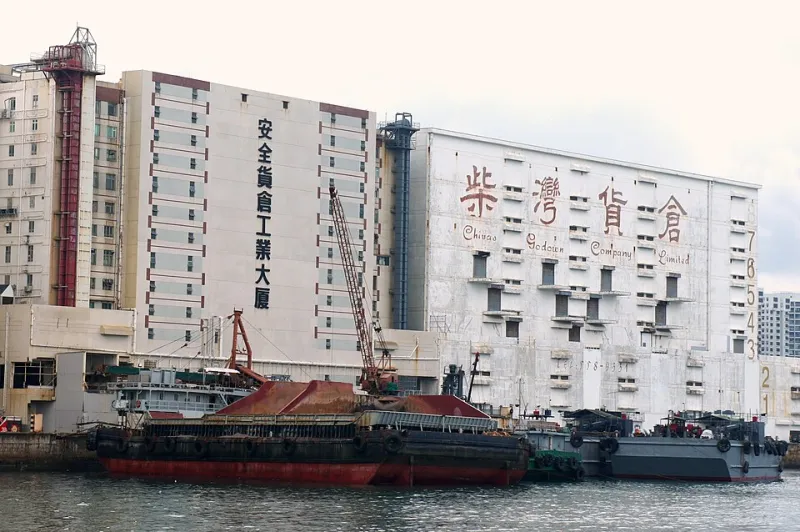
Photo: cold chain pharmaceutical warehouse temperature controlled logistics Asia, via americanceliac.org
For most UK procurement teams, the phrase "cold chain logistics from Asia" conjures images of risk: long transit times, fluctuating ambient conditions, and a compliance landscape that can shift without warning. That instinct is understandable. But it is increasingly out of date.
Over the past several years, Hong Kong has invested substantially in temperature-controlled warehousing, pharmaceutical-grade storage facilities, and multi-modal cold chain connectivity. The result is an infrastructure that, for the right categories of goods, now rivals—and in some respects surpasses—what UK importers can access through traditional European distribution channels. The question is not whether the opportunity exists. It is whether UK businesses are equipped to capture it without exposing themselves to the compliance and cost traps that have already caught several of their competitors.
What Hong Kong's Cold Chain Actually Offers
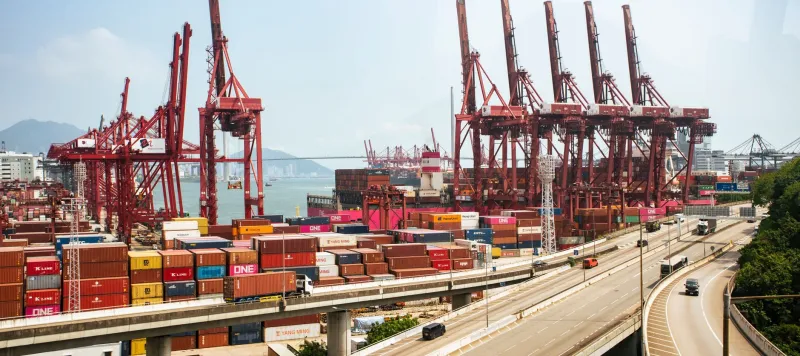
Hong Kong's position as a regional logistics hub has long been defined by its air freight connectivity and its role as a consolidation point for goods moving between mainland China, Southeast Asia, and Western markets. What has changed in recent years is the depth of temperature-controlled capability layered onto that foundation.
The territory now hosts a network of GDP-compliant pharmaceutical cold stores, ambient-to-frozen multi-zone facilities, and reefer container handling infrastructure capable of managing the strict temperature tolerances required by both the UK's Medicines and Healthcare products Regulatory Agency (MHRA) and the Food Standards Agency (FSA). For importers of biologics, vaccines, specialty ingredients, or cosmetic actives that require 2–8°C storage, this is no longer a workaround—it is a credible primary route.
For context, EU routing has historically been the default for many UK food and pharma importers sourcing from Asia, with goods transiting through Frankfurt, Amsterdam, or Rotterdam before final delivery. That model carries its own cost and complexity: additional handling, multi-jurisdiction regulatory documentation, and transit times that can erode shelf life on perishable or short-dated goods.
A direct Hong Kong-to-UK cold chain, managed through a single logistics partner with end-to-end visibility, can in some cases reduce total transit time by 24 to 48 hours while consolidating documentation requirements under a single point of compliance accountability.
The ROI Case: Where the Numbers Stack Up
Consider a mid-sized UK nutraceutical brand importing encapsulated marine-derived ingredients from a Taiwanese manufacturer. Previously routing goods via a Dutch cold store, the company faced an average landed cost that included two sets of handling fees, a transit storage charge, and periodic delays during peak periods at European hubs. After transitioning to a Hong Kong consolidation and direct air freight model, the business reported a reduction in transit-related spoilage from approximately 3.2% to under 0.8% of shipment value, and a meaningful decrease in total logistics cost per kilogram.
The gains were not simply a function of shorter transit. They reflected the fact that a single temperature excursion log—maintained from point of origin through to UK customs clearance—simplified the MHRA import documentation process considerably, reducing the administrative overhead associated with each consignment.
A comparable scenario exists in the specialty food sector. UK importers of high-value fermented or cultured products from East Asia—items with strict temperature windows and limited shelf lives—have found that the combination of Hong Kong's air cargo infrastructure and its well-developed food safety certification ecosystem allows them to compress the time between production and retail availability in ways that EU routing cannot easily replicate.
Where Businesses Get It Wrong
The gains are real, but they are not guaranteed. Several UK importers have encountered significant costs as a result of underestimating the compliance complexity that accompanies cold chain sourcing from Hong Kong.
The most common error involves documentation continuity. MHRA-regulated goods require an unbroken chain of temperature records, and any gap—however brief—can trigger a full batch review or, in the worst cases, a rejection at the UK border. Importers who have assumed that a Hong Kong logistics partner's internal records will automatically align with MHRA's specific format requirements have, on occasion, found themselves holding a consignment in customs storage at considerable daily cost while remedial documentation is assembled.
A second area of risk involves the distinction between Hong Kong's own cold chain standards and those of the originating territory. Goods that have been stored in a facility in Guangdong before onward transfer to Hong Kong may have spent time in a warehouse operating to different standards. Without explicit contractual clarity about the full storage history, the apparent GDP compliance of the Hong Kong leg of the journey does not guarantee the integrity of the entire chain.
Finally, there is the question of insurance. Standard marine cargo policies frequently contain carve-outs or sub-limits for temperature-sensitive goods. UK importers who have not reviewed their coverage in the context of cold chain routing from Asia have, in some instances, discovered this only after a claim.
Compliance as a Competitive Differentiator
The businesses that are extracting the greatest advantage from Hong Kong's cold chain infrastructure are those that have approached compliance not as a cost of doing business but as a source of competitive differentiation.
By investing in robust supplier qualification processes, GPS-enabled temperature monitoring from point of manufacture to UK delivery, and a working relationship with a logistics partner that understands both MHRA and FSA requirements, these importers have built a cold chain capability that is genuinely difficult for less rigorous competitors to replicate at the same cost point.
For UK food and pharma procurement teams currently reviewing their Asia sourcing strategy, the cold chain question deserves more than a footnote in a logistics tender document. Hong Kong's infrastructure has matured to the point where it warrants serious evaluation—but only for organisations prepared to engage with the full complexity of what that infrastructure demands in return.